

Charging is infrastructure, not a gadget
A well-sited EV charging hub behaves like infrastructure: a transformer, civil works and DC fast chargers with a 10+ year asset life, delivering energy every day to vehicles that have no other way to refuel. The question for investors is not whether demand for charging will grow — it is which assets will capture it reliably.
De-risking demand with fleet off-take
The biggest risk in charging is utilization. Hubs that pair public fast charging with B2B commercial fleet contracts start with anchored demand: contracted fleets charge on predictable schedules, and public drivers add upside on top.
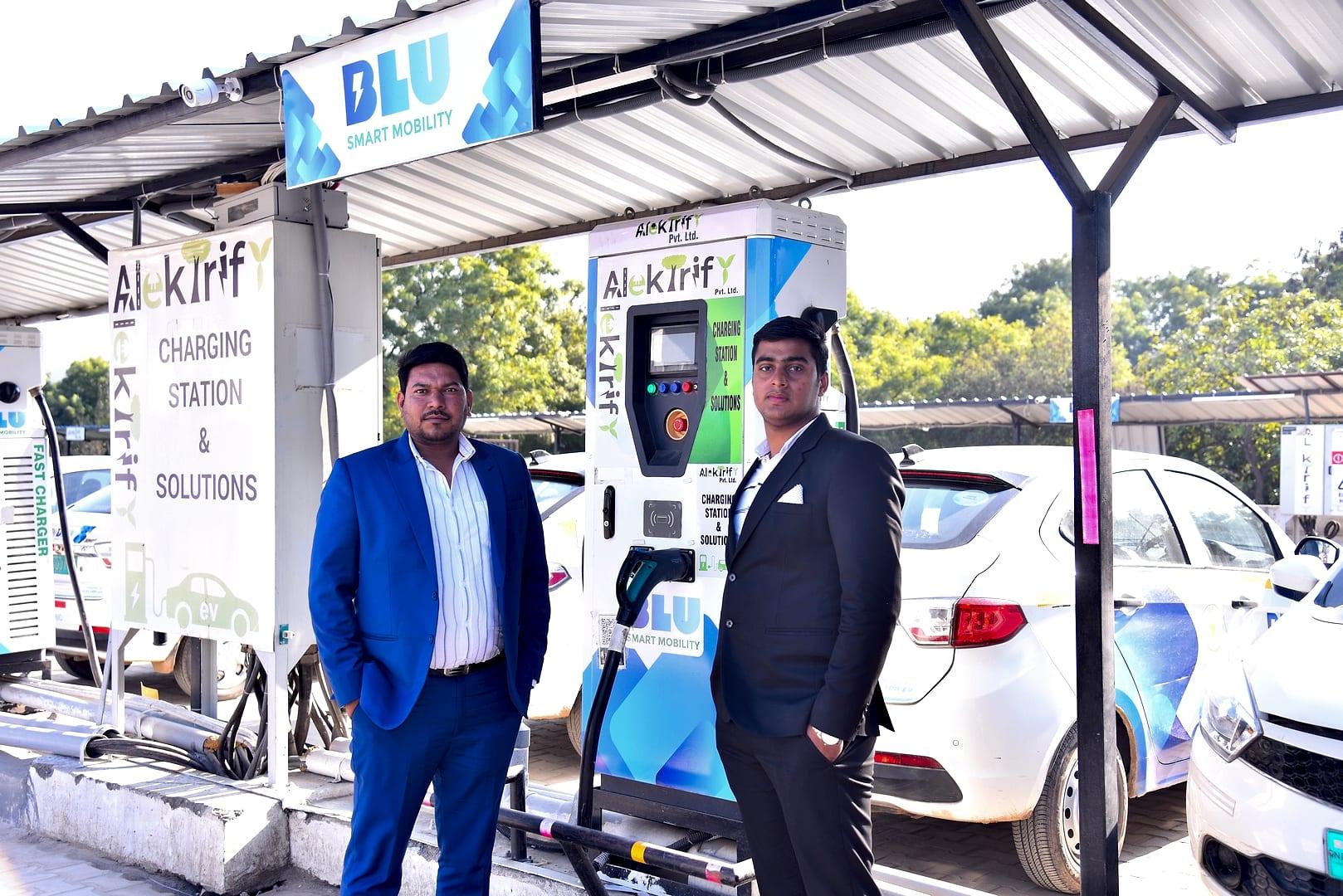
That is the model behind Alektrify’s flagship Gurugram hubs, which run at 72%+ average utilization and support a ~36-month target breakeven for project partners.
Choosing a structure
Investors can participate project-by-project — backing a specific hub with its own economics — or through strategic equity partnerships across a portfolio. Developers and fleet operators can choose turnkey CAPEX (own the hardware, outsource operations) or OPEX revenue-share. Landowners can contribute sites under revenue-share, lease or hybrid co-development.
Whatever the structure, the operator should carry the full lifecycle: site acquisition, EPC, software and O&M, with a live telemetry dashboard tracking daily MWh throughput and bay utilization so investors see performance as it happens, not quarterly.